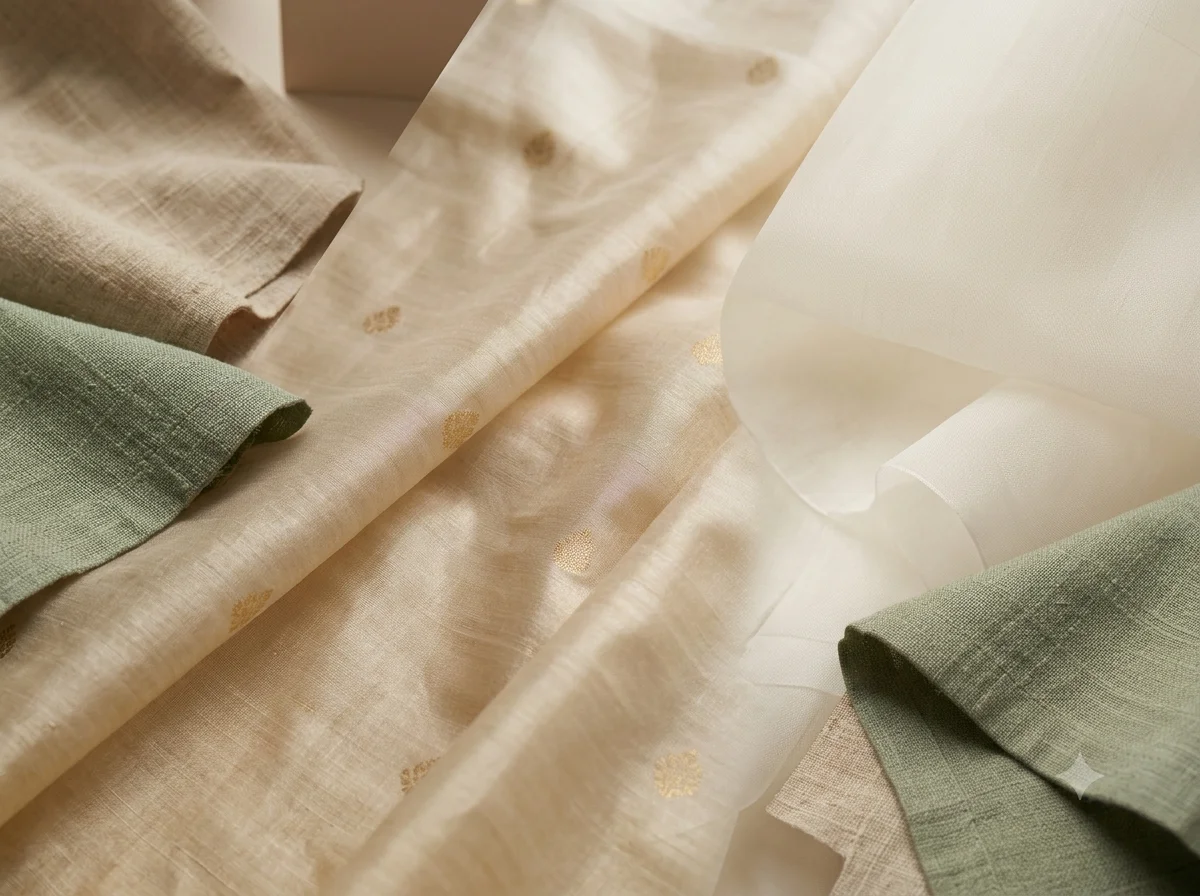
30 July 2026
Fabric Guide 2026: Why Chanderi, Organza & Sustainable Cotton Are Replacing Synthetics
Nidhi Patel
30 July 2026
Discover why Chanderi, Organza, and Sustainable Cotton are taking over ethnic wear in 2026. Learn about natural fabric luxury, styling tips, and fabric care secrets.
Fabric Guide 2026: Why Chanderi, Organza & Sustainable Cotton Are Replacing Synthetics
Cotton Culture | Sustainable & Festive Fabric Trends
The narrative surrounding ethnic wear has reached a decisive turning point in 2026. For years, synthetic fabrics like polyester georgettes, heavy nylon crepes, and cheap rayon blends dominated mainstream traditional wear due to low production costs. However, modern consumers are now prioritizing breathability, heirloom-quality tactile luxury, and environmental responsibility over disposable fast fashion.
Leading this movement are three powerhouse natural fabrics: Chanderi, Organza, and Sustainable Organic Cotton (including Khadi). Engineered by nature and refined by centuries of handloom artistry, these textiles offer unmatched drape, thermal comfort, and timeless elegance. Here is your definitive guide to why these natural weaves are taking over 2026 ethnic wardrobes.
1. Royal Chanderi: Regal Sheen Meets Weightless Comfort
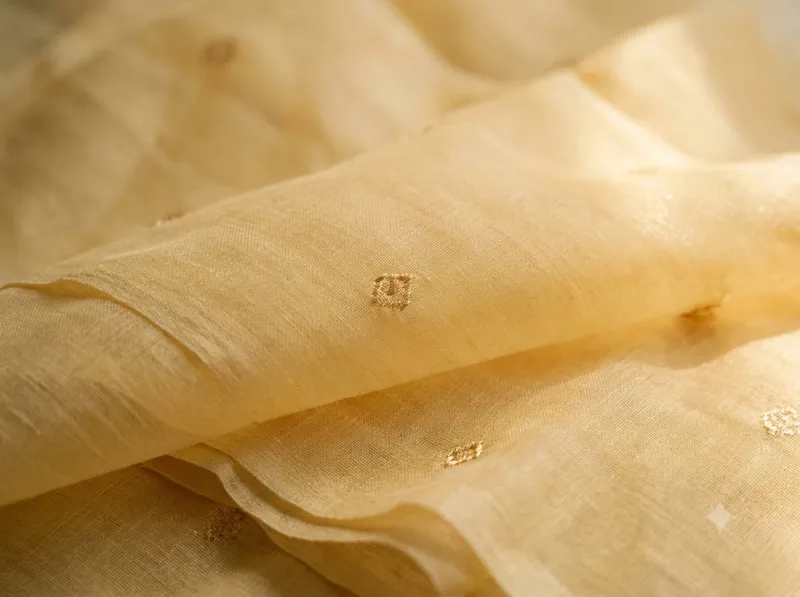
Originating from the historic town of Chanderi in Madhya Pradesh, this tissue-light fabric is famed for its shimmering texture and sheer, gossamer feel. Traditionally woven using silk and fine cotton yarn interwoven with delicate zari, Chanderi has re-emerged as the ultimate fabric for festive luxury in 2026.
Why Chanderi Is Outperforming Synthetics:
Natural Thermal Regulation: Unlike synthetic brocades that trap body heat, Chanderi blends fine silk with high-count cotton, keeping you cool during warm daytime rituals and comfortable during evening events.
Subtle Metallic Sheen: The fabric’s characteristic luster comes from raw silk fibers and pure zari motifs (bootis), offering a sophisticated glow that synthetic foil-prints cannot replicate.
Trans-Seasonal Versatility: Perfect for structured festive kurtas, lightweight dupattas, and fluid A-line Anarkalis.
Styling Tip: Pair a pastel-toned Chanderi kurta set with gold temple jewelry and direct silk pants for a refined daytime wedding guest look.
2. Ethereal Organza: Structured Volume Without the Weight
Organza—traditionally made from silk yarns woven in an open-weave style—has redefined modern festive drapes. While synthetic organza (made from polyester) feels stiff and scratchy against the skin, pure silk organza delivers crisp, sculptural volume with a feather-light touch.
Key Design Highlights for 2026:
Sculptural Silhouettes: Pure organza provides structural integrity, allowing for dramatic puffed sleeves, flared statement drapes, and layered jacket overlays without adding bulk.
Luminous Sheerness: Its semi-transparent quality creates an ethereal contrast when layered over opaque silk or raw cotton bases.
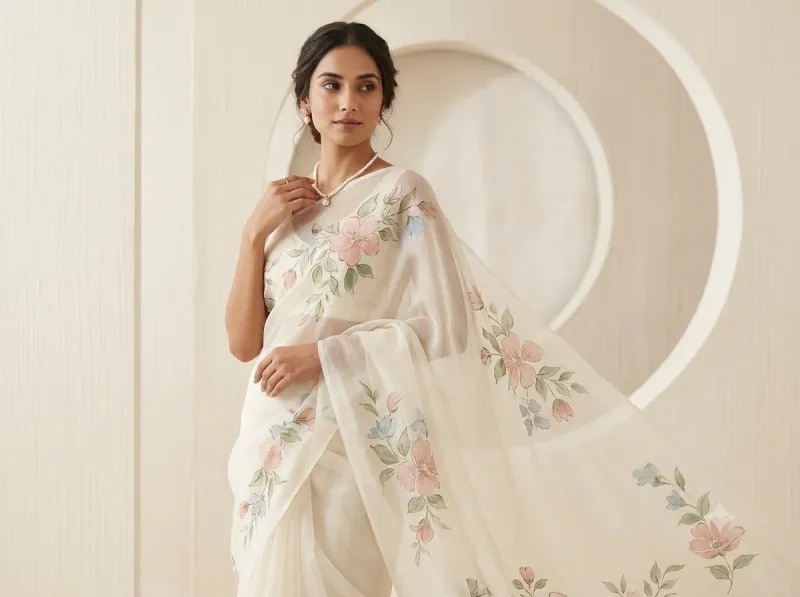
Artisanal Canvas: Organza serves as the ultimate backdrop for hand-painted florals, minimalist Chikankari shadow work, and delicate zardozi borders.
Styling Tip: Layer a hand-painted floral organza dupatta over a minimalist monochrome sustainable cotton kurta to immediately elevate your festive ensemble.
3. Sustainable Organic Cotton & Khadi: Conscious Everyday Luxury
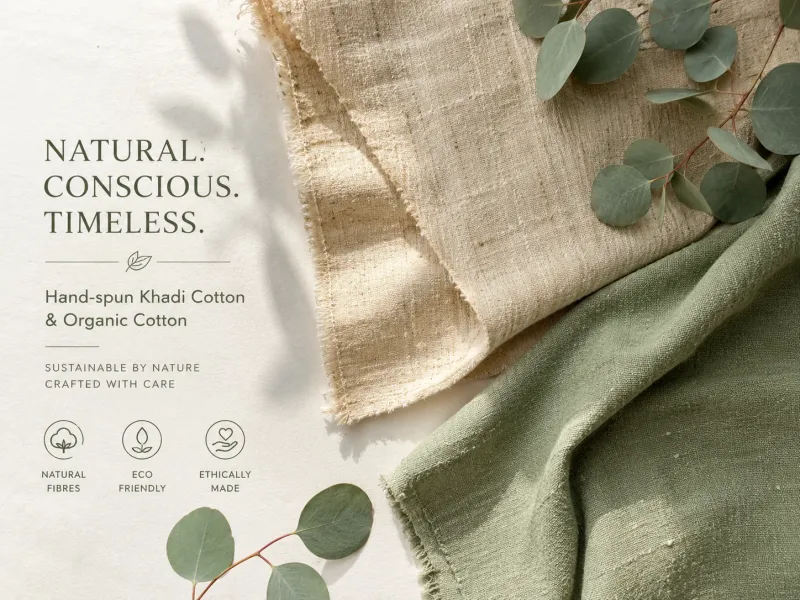
Fast-fashion synthetics like polyester trap sweat and break down into microplastics with every wash. In 2026, Organic Sustainable Cotton and Hand-spun Khadi have moved from casual loungewear into high-end ethnic streetwear and office couture.
The Sustainable Edge in 2026:
Skin-Friendly & Hypoallergenic: Free from toxic chemical dyes and synthetic finishes, organic handloom cotton allows your skin to breathe through long summer days.
Softens with Every Wash: Unlike polyester that pills and fades, organic handloom cotton grows softer and more comfortable over time.
Low Carbon Footprint: Hand-spun Khadi utilizes zero electricity in spinning and weaving, empowering rural artisan clusters while keeping environmental impact minimal.
Styling Tip: Elevate an organic cotton A-line tunic with hand-block printed Ajrakh or Kalamkari accents for a chic, conscious workwear statement.
4. Side-by-Side Comparison: Chanderi vs. Organza vs. Sustainable Cotton
Feature / Attribute | Chanderi | Pure Silk Organza | Sustainable Organic Cotton |
|---|---|---|---|
Primary Vibe | Regal, subtle shine, traditional elegance | Ethereal, crisp, modern structural luxury | Earthy, breathable, conscious everyday chic |
Texture & Sheen | Semi-sheer with soft metallic luster | Crisp, sheer, with structured volume | Matte, soft slub texture, non-reflective |
Best Occasion | Festive pujas, Sangeet, evening dinners | Day weddings, cocktail drapes, receptions | Daily workwear, summer brunches, travel |
Durability | High (with proper silk care) | Moderate (requires gentle handling) | Very High (grows softer over time) |
Washing Care | Dry clean only | Dry clean only | Gentle hand wash with mild liquid detergent |
5. Essential Fabric-Care Guide: Extending Your Handlooms' Lifecycle
Chanderi & Silk Organza Care
Washing: Strictly dry clean only to preserve natural silk gum and metallic zari luster.
Storage: Wrap in breathable, unbleached cotton or muslin cloth bags. Avoid plastic covers which trap humidity.
Ironing & Handling: Steam press on low heat with a barrier cloth; never spray perfume directly onto the fabric.
Sustainable Organic Cotton & Khadi Care
Washing: Gentle cold hand-wash using mild eco-friendly liquid detergent. Wash dark colors separately.
Drying: Line dry in soft shade inside-out to prevent sunlight bleaching and color fading.
Ironing: Steam iron on medium-high heat while slightly damp for a crisp, smooth finish.
Curating Your Conscious 2026 Wardrobe
Embracing Chanderi, Organza, and Sustainable Cotton is a commitment to timeless style, artisan heritage, and personal comfort.